
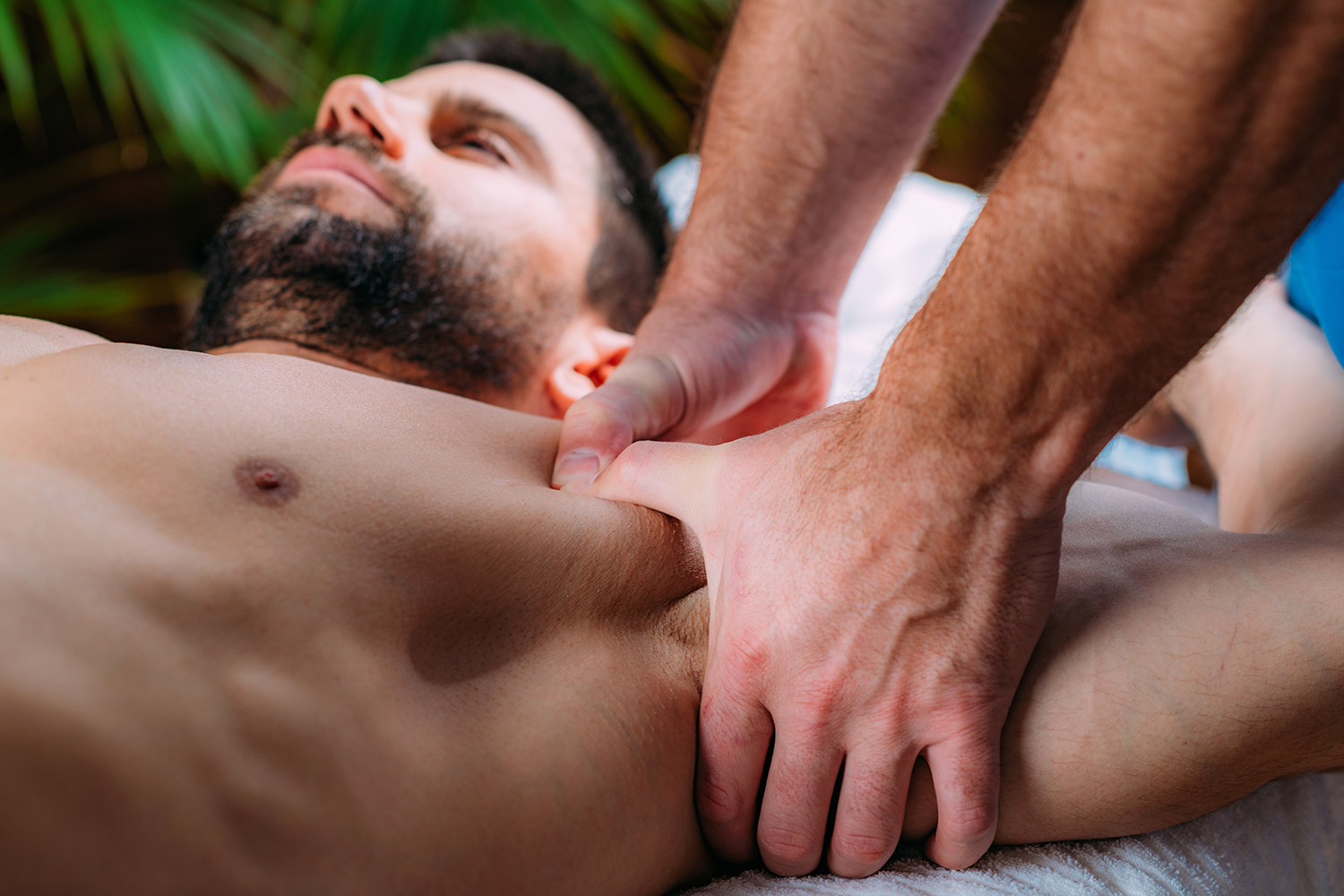
When most people hear the words deep tissue massage, they imagine one thing: pressure. While pressure is certainly part of it, true deep tissue massage is about much more than just “going deep.” It’s a carefully applied technique that works through layers of muscle and connective tissue with precision and patience, designed to relieve pain, improve mobility, and restore balance to the body.
At Unwind Massage and Bodywork, I specialize in deep tissue therapy because it delivers lasting results for clients who struggle with chronic tension, restricted movement, or pain that doesn’t seem to go away. Let’s take a closer look at the science behind deep tissue massage, what you can expect in a session, and why it works so well.
What Makes Deep Tissue Massage Different?
Unlike Swedish or relaxation massage, which focus on calming the body and mind with lighter, flowing strokes, deep tissue massage is results-driven. The goal is to address the root of tension by working into the deeper layers of muscle and fascia—the connective tissue that surrounds and supports your muscles.
This doesn’t mean every stroke is hard or painful. In fact, deep tissue therapy is more about precision than brute force. Slow, deliberate pressure is applied to melt through tissue, allowing muscles to release without resistance. Done properly, it relieves chronic tightness and restores normal movement patterns, rather than just giving short-term relief.
The Science Behind It
When muscles become tight, they form adhesions—bands of painful, rigid tissue that limit circulation and restrict mobility. These adhesions can develop from poor posture, repetitive movement, stress, or injury. Left untreated, they cause discomfort and even radiating pain.
Deep tissue massage works by:
- Breaking down adhesions: Targeted pressure and friction techniques separate stuck muscle fibers.
- Improving circulation: Increased blood flow brings oxygen and nutrients, speeding recovery.
- Encouraging fascia release: Fascia can become sticky and restrictive; deep work restores its glide.
- Resetting the nervous system: Sustained, focused touch signals the body to let go of chronic tension.
It’s not just “working hard on muscles”—it’s about retraining the body at a structural level.
What to Expect in a Session
A deep tissue massage at Unwind isn’t a cookie-cutter routine—it’s tailored to your specific needs. A 60-minute session typically allows for detailed work in 2–3 areas, such as shoulders, lower back, and hips. A 90-minute session provides the time for more comprehensive care, addressing the whole body while still dedicating extra time to problem spots.
The work begins with warming techniques that prepare the tissue. From there, I apply slow, intentional strokes with the hands, forearms, or elbows to gradually sink into the deeper layers. At times, you may feel what clients often describe as a “good ache”—intense but relieving. That sensation usually signals the release of long-held tension.
Communication is key. While deep tissue can feel strong, it should never be unbearable. My goal is always to find that therapeutic edge: enough pressure to create change, but never so much that the body tightens up in defense.
Benefits That Last
The most immediate benefit of deep tissue massage is relief from pain and stiffness, but the effects go far beyond that. With regular sessions, clients often notice:
- Improved posture as tight muscles stop pulling the body out of alignment.
- Greater mobility in joints and muscles once restricted by adhesions.
- Faster recovery from workouts, sports, or physically demanding jobs.
- Reduced stress thanks to the calming effect on the nervous system.
- Fewer recurring injuries because muscles are healthier and more resilient.
This is why deep tissue massage is such a valuable tool for athletes, professionals, and anyone managing chronic pain. It doesn’t just make you feel better in the moment—it supports long-term wellness.
Common Misconceptions
Many people avoid deep tissue massage because they’ve heard it’s painful. While moments of intensity are common, true deep tissue therapy should never feel like punishment. Discomfort that feels productive and relieving is very different from sharp or overwhelming pain. A skilled therapist knows how to adjust pressure and pace to keep the body relaxed while still reaching the deeper layers.
Another misconception is that deep tissue is only for athletes or people with severe pain. In reality, it benefits anyone who experiences tension, poor posture, or restricted mobility. Whether you sit at a desk, work a physically demanding job, or simply carry stress in your shoulders, deep tissue can help.
How to Maximize the Benefits
To get the most out of your deep tissue session, consider these tips:
- Hydrate well before and after to support circulation.
- Allow rest afterward so your body can integrate the work.
- Stretch gently in the days following to maintain flexibility.
- Book consistently if dealing with chronic pain—progress builds over time.
Why I Believe in Deep Tissue Work
For me, deep tissue massage is one of the most effective tools for creating meaningful change. I’ve seen clients walk in with stiffness, pain, and frustration—and walk out moving more freely, standing taller, and breathing easier. That transformation is why I do this work.
At Unwind Massage and Bodywork, my goal is to deliver more than relaxation. I want every client to leave feeling renewed, with results that carry into their daily lives. Deep tissue massage is one of the best ways to make that happen.
Ready to experience the difference? Book your deep tissue session today and discover how results-driven bodywork can relieve pain, restore mobility, and help you feel your best.