Understanding Different Massage Techniques
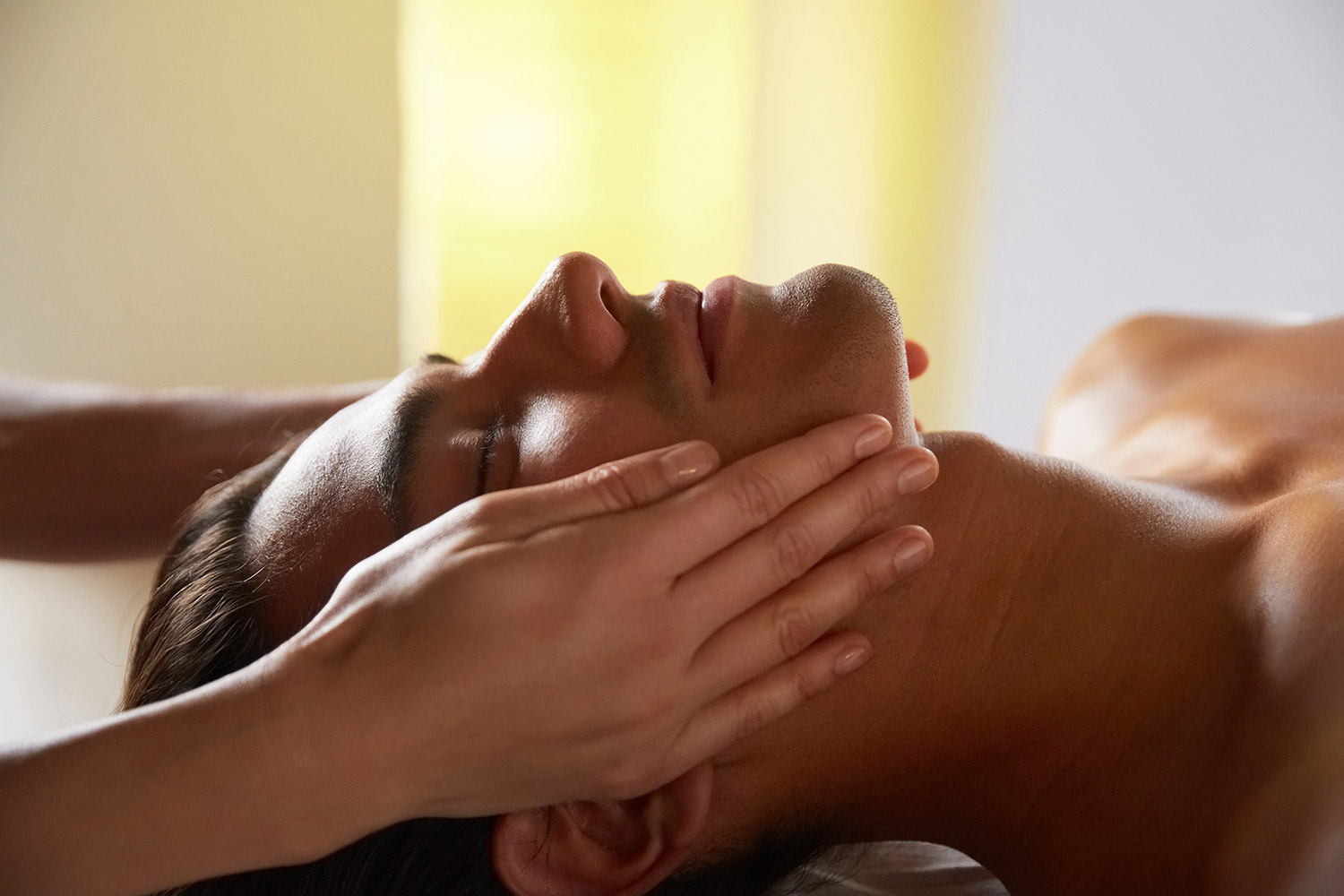
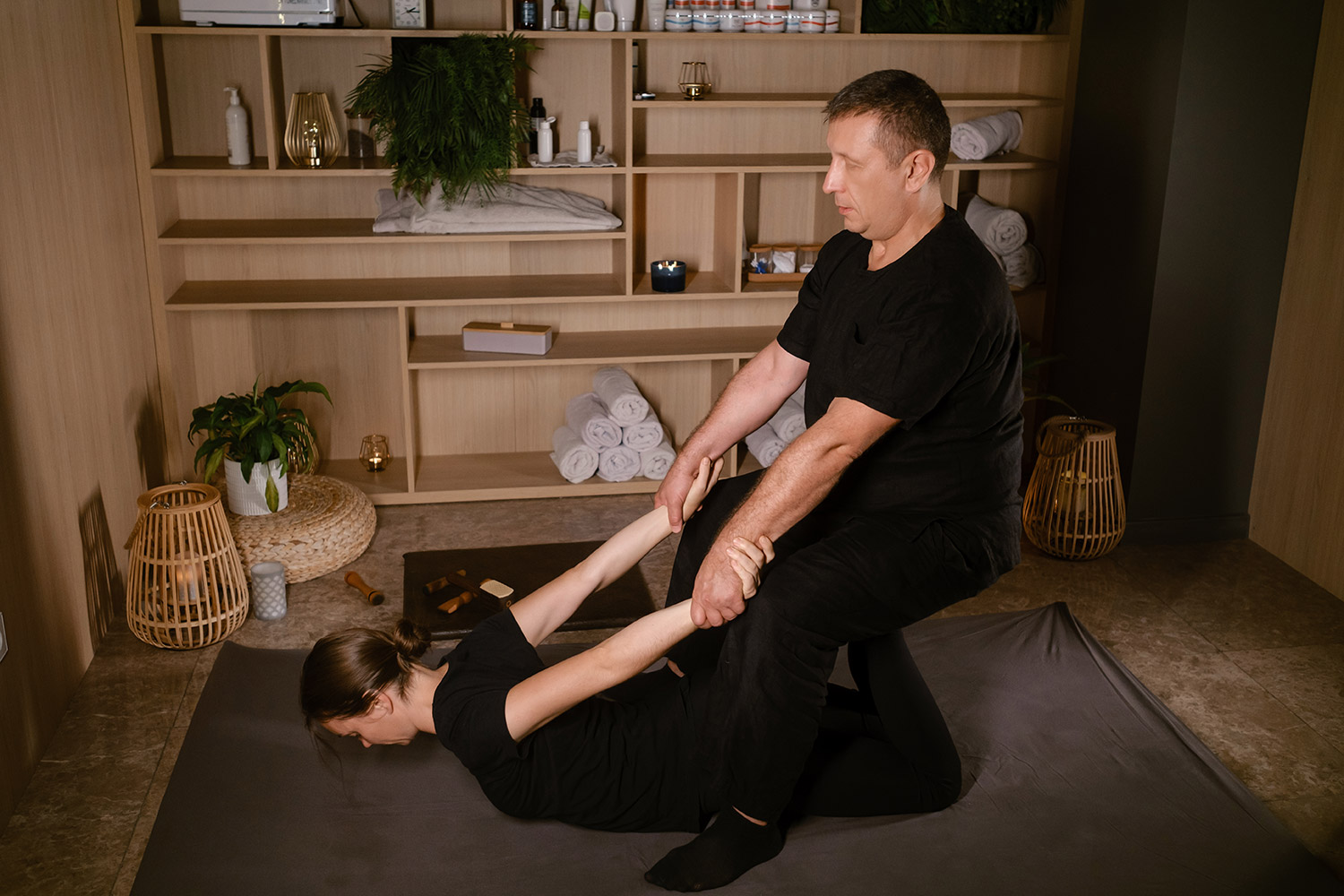
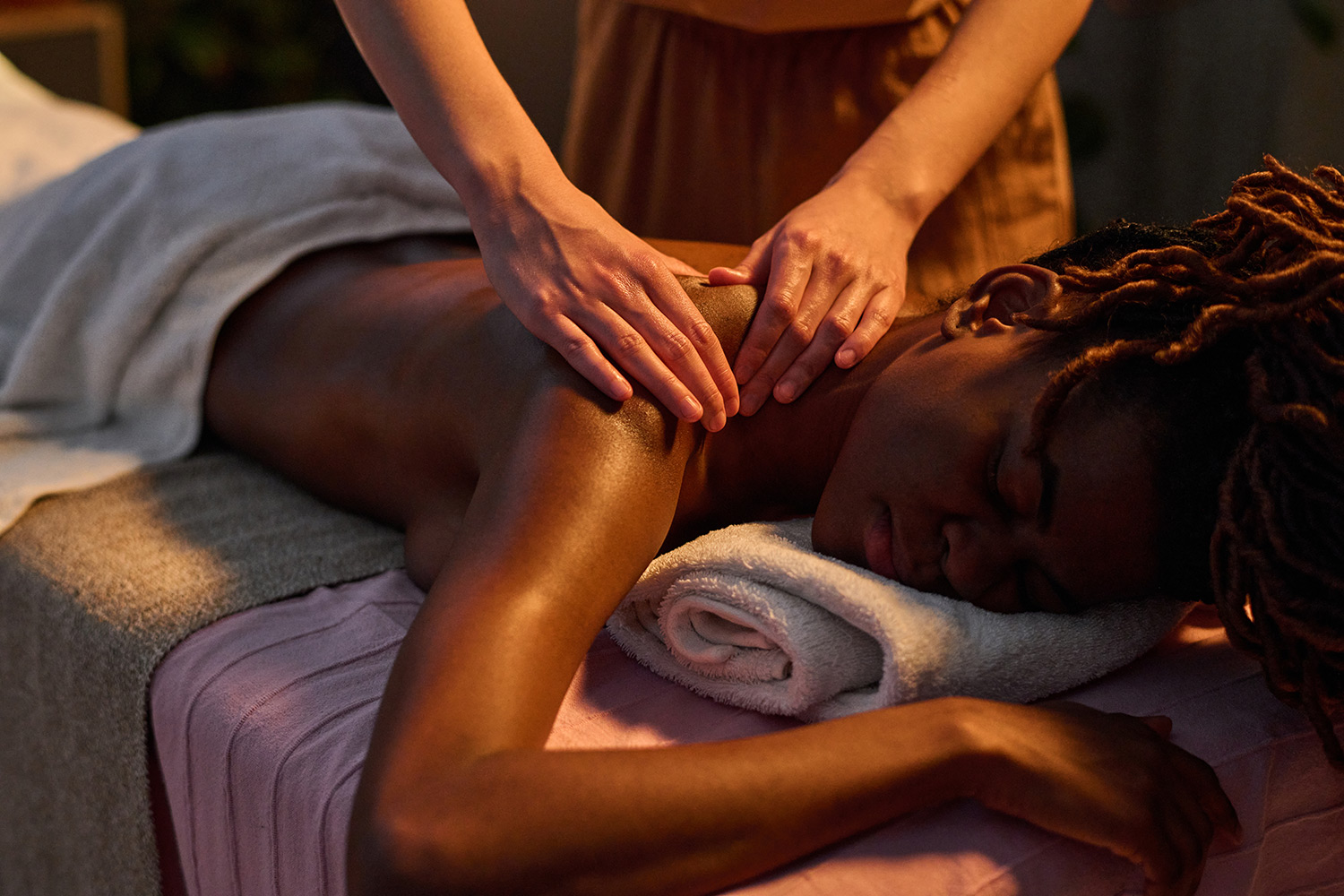
Massage therapy encompasses a variety of techniques, each designed to address specific physical and emotional needs. From Swedish massage, which promotes relaxation, to sports massage, aimed at enhancing athletic performance, understanding these techniques can help clients choose the right service for their goals.
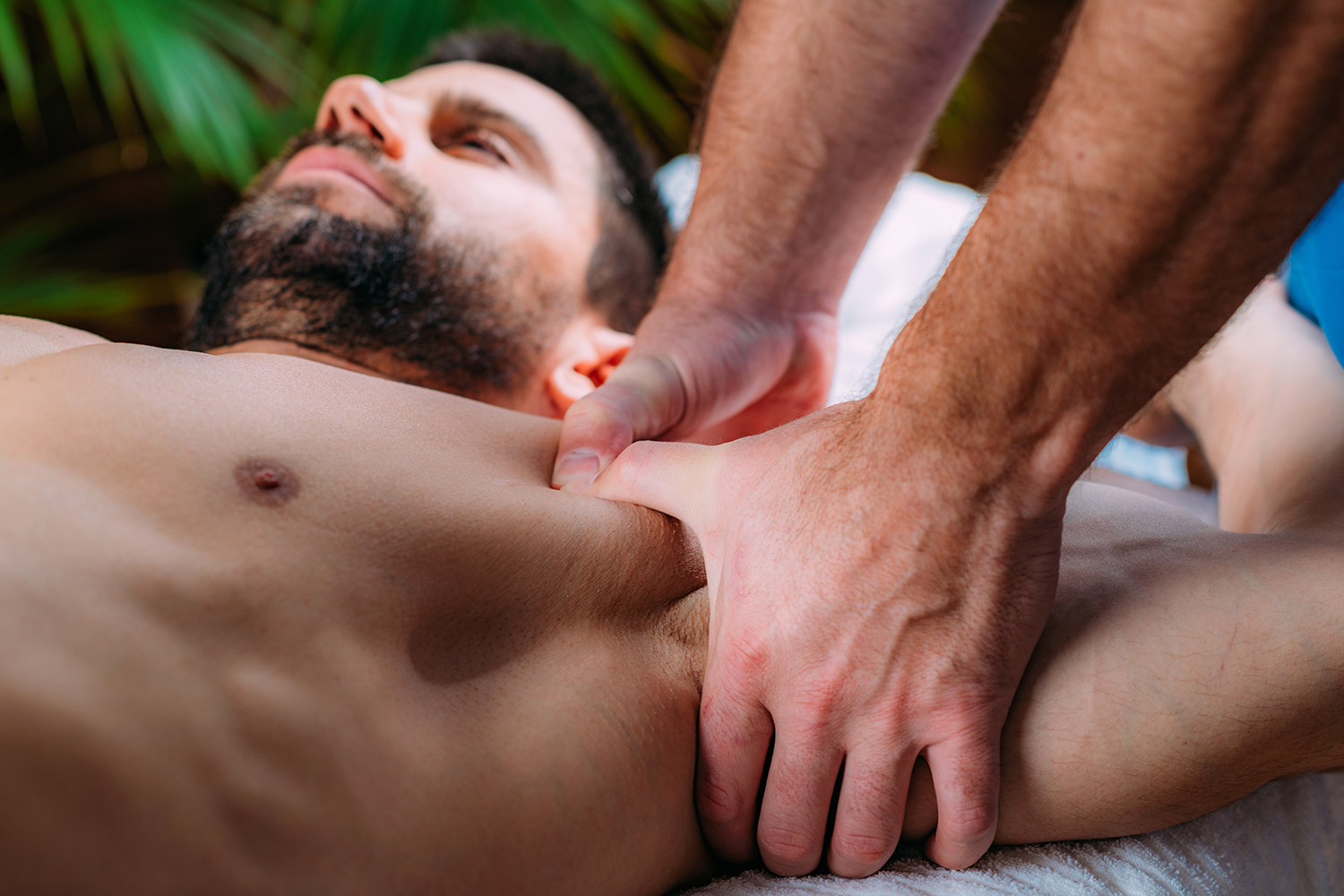
For example, deep tissue massage targets deeper layers of muscle and connective tissue, making it ideal for chronic pain relief, while aromatherapy massage integrates essential oils for a soothing experience. By knowing the differences, clients can better articulate their needs to therapists and achieve more effective results.
The Benefits of Regular Massage Therapy
Regular massage therapy offers numerous benefits that extend beyond mere relaxation. It can improve circulation, enhance flexibility, and promote overall well-being, making it a valuable addition to a healthy lifestyle.
Research indicates that consistent massage sessions can help reduce stress levels, alleviate anxiety, and even improve sleep quality. For instance, clients who receive massage therapy bi-weekly report significant improvements in their mood and physical health, showcasing the cumulative benefits of this practice.
Choosing the Right Massage for Your Needs
With so many types of massage available, selecting the right one can be daunting. Factors such as personal health goals, areas of tension, and individual preferences play a crucial role in making the right choice.
For instance, someone experiencing muscle soreness from exercise might benefit more from a sports massage, while individuals seeking relaxation may prefer a gentle Swedish massage. Consulting with a qualified therapist can also provide insights into the best options tailored to specific needs.
Complementary Therapies to Enhance Your Massage Experience
Combining massage therapy with other wellness practices can significantly enhance its benefits. Techniques such as yoga, meditation, and acupuncture can work synergistically with massage to promote deeper relaxation and healing.
For example, practicing yoga can improve flexibility and muscle strength, allowing for a more effective massage session. Similarly, incorporating mindfulness meditation can help clients maximize their relaxation benefits during and after a massage, creating a holistic approach to wellness.
Understanding Different Massage Techniques
Massage therapy encompasses a variety of techniques, each designed to address specific physical and emotional needs. From Swedish massage, which promotes relaxation, to sports massage, aimed at enhancing athletic performance, understanding these techniques can help clients choose the right service for their goals.
For example, deep tissue massage targets deeper layers of muscle and connective tissue, making it ideal for chronic pain relief, while aromatherapy massage integrates essential oils for a soothing experience. By knowing the differences, clients can better articulate their needs to therapists and achieve more effective results.
The Benefits of Regular Massage Therapy
Regular massage therapy offers numerous benefits that extend beyond mere relaxation. It can improve circulation, enhance flexibility, and promote overall well-being, making it a valuable addition to a healthy lifestyle.
Research indicates that consistent massage sessions can help reduce stress levels, alleviate anxiety, and even improve sleep quality. For instance, clients who receive massage therapy bi-weekly report significant improvements in their mood and physical health, showcasing the cumulative benefits of this practice.
Choosing the Right Massage for Your Needs
With so many types of massage available, selecting the right one can be daunting. Factors such as personal health goals, areas of tension, and individual preferences play a crucial role in making the right choice.
For instance, someone experiencing muscle soreness from exercise might benefit more from a sports massage, while individuals seeking relaxation may prefer a gentle Swedish massage. Consulting with a qualified therapist can also provide insights into the best options tailored to specific needs.
Complementary Therapies to Enhance Your Massage Experience
Combining massage therapy with other wellness practices can significantly enhance its benefits. Techniques such as yoga, meditation, and acupuncture can work synergistically with massage to promote deeper relaxation and healing.
For example, practicing yoga can improve flexibility and muscle strength, allowing for a more effective massage session. Similarly, incorporating mindfulness meditation can help clients maximize their relaxation benefits during and after a massage, creating a holistic approach to wellness.